The Robotaxi Needs a Rethink
Why it may be time for car makers to break free from old habits and rediscover ideas first imagined fifty years ago

Urban transport is changing. Not with a single breakthrough, but through a long chain of ideas that are finally coming together.
For decades we tried to imagine new systems for our cities. Some worked in small settings, like airport shuttles. Others never moved beyond drawings and debate. What held us back was not imagination, but timing. The technology was not ready and neither were the markets.
That is no longer true.
Young people now see mobility as a service. Autonomous systems are proving themselves. Cities need cleaner and more flexible options. Yet many robotaxi designs still follow the shape of the old car, not the needs of a new era.
Most revolutions arrive quietly. They often have long histories behind them. So here is a question worth asking. Why do our most advanced robotaxi designs still look like ordinary cars?
In 1974 I was commissioned to produce a directory of innovative transport systems, which led to a feasibility study for a “MiniTram” system for Croydon. At the time there was a sense of possibility. Airport people movers were appearing in several countries. Some believed that if we could send a person to the moon, then surely we could design automated transport here on earth. New systems were proposed for international cities. Some ideas were bold and elegant. Yet Croydon got trams and most of the city-wide people mover schemes faded away.
A few years later I joined a company developing a small autonomous personal Rapid Transit (PRT) pod system. Its light weight meant it could run on slender elevated guideways with little visual impact. The idea felt promising, but it was ahead of its time. The concept returned in 2005 when Heathrow introduced a pod system to link business parking with Terminal 5. The pods worked well, yet the system wasn’t expanded. The idea went back on the shelf.
These memories return to me today as I watch the emergence of the robotaxi. The software is stronger. The sensors are sharper. The data sets are far richer. They have GPS. Yet many of the new designs feel strangely familiar. Some are little more than modified saloon cars. They offer impressive autonomy but unambitious form. It is as if we have taken a new idea and wrapped it in old metal.
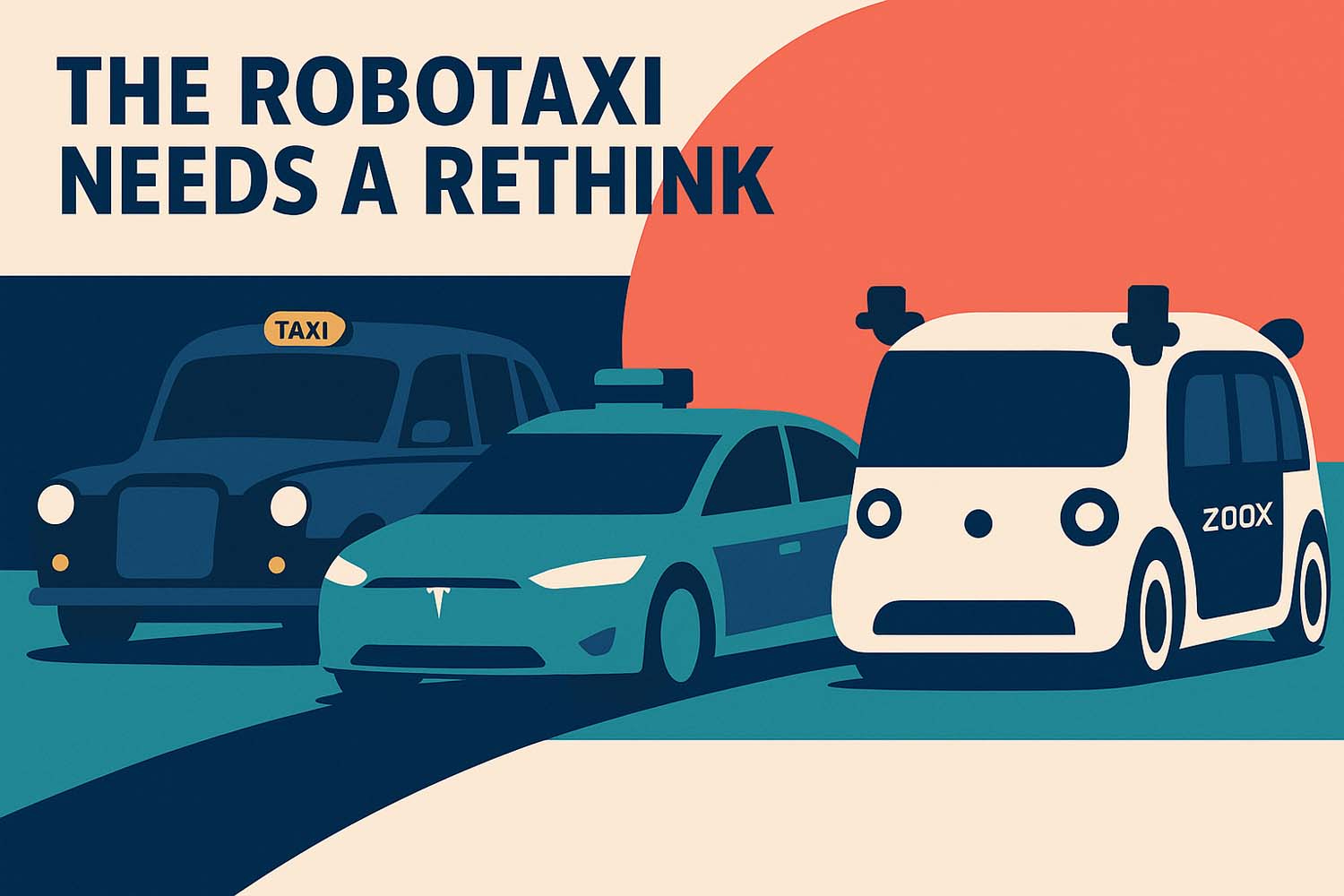
There are brighter examples that show what is possible. London’s black cab is one. London authorities defined a strict specification. It needed a tight turning circle. It needed space for luggage and wheelchair access. It needed wide doors and good headroom. There was no need for aerodynamics for urban speeds. The result was a distinctive vehicle that matched its job. It did not imitate a private car. It followed its own logic and became an icon.
Zoox follows a similar pattern, but for the autonomous age. It begins with a clean sheet. The vehicle is symmetrical. It can drive forwards or backwards with equal confidence. It uses four wheel steering to turn sharply in tight streets. Passengers step in through wide sliding doors. They sit on facing benches, not in a front and back arrangement. There is no driver seat because there is no driver. Everything about the Zoox signals a break from tradition. It is a small urban pod that has been designed around the service it provides, not the habits of private car ownership – very different from the Tesla robotaxi, and other proposals.
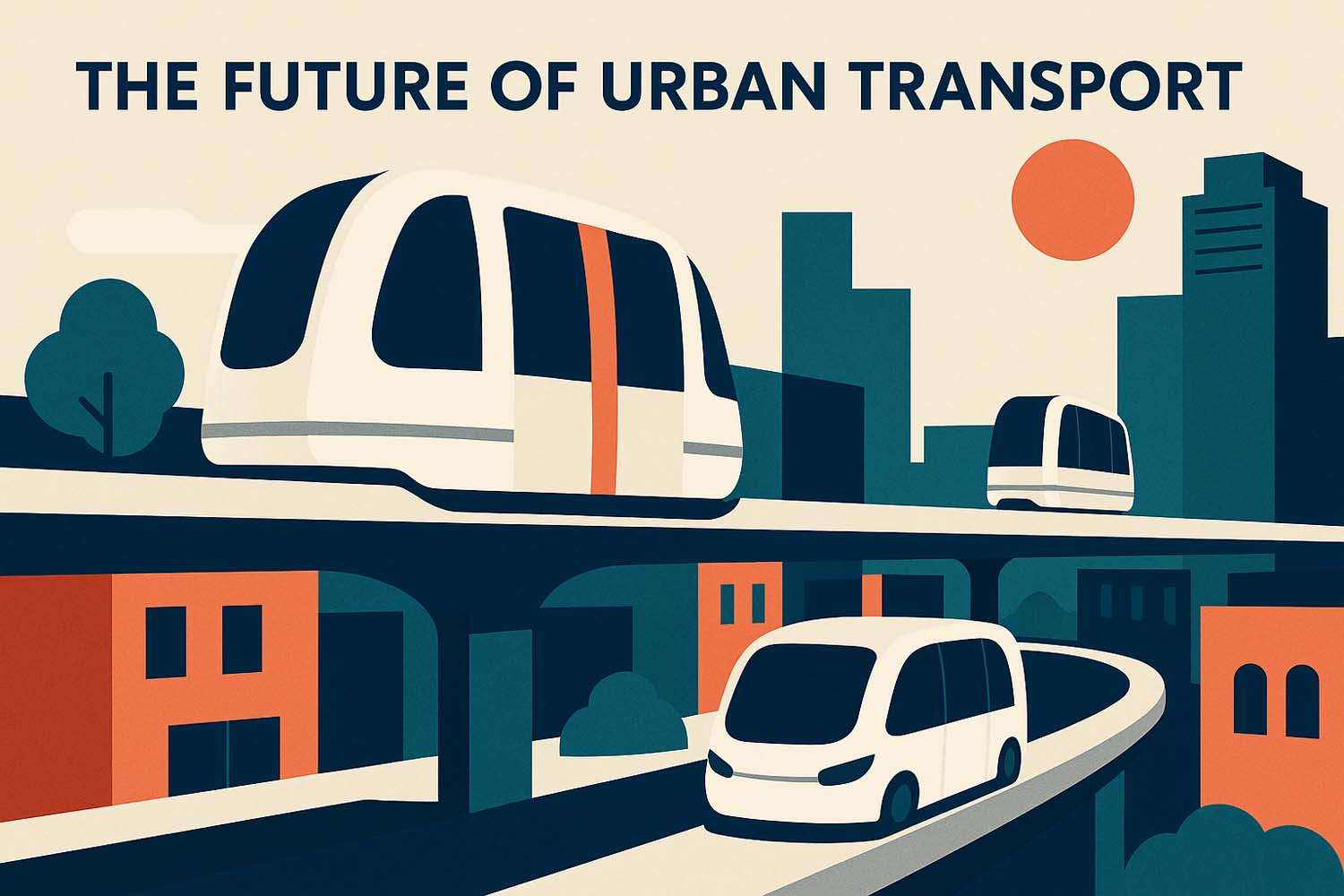
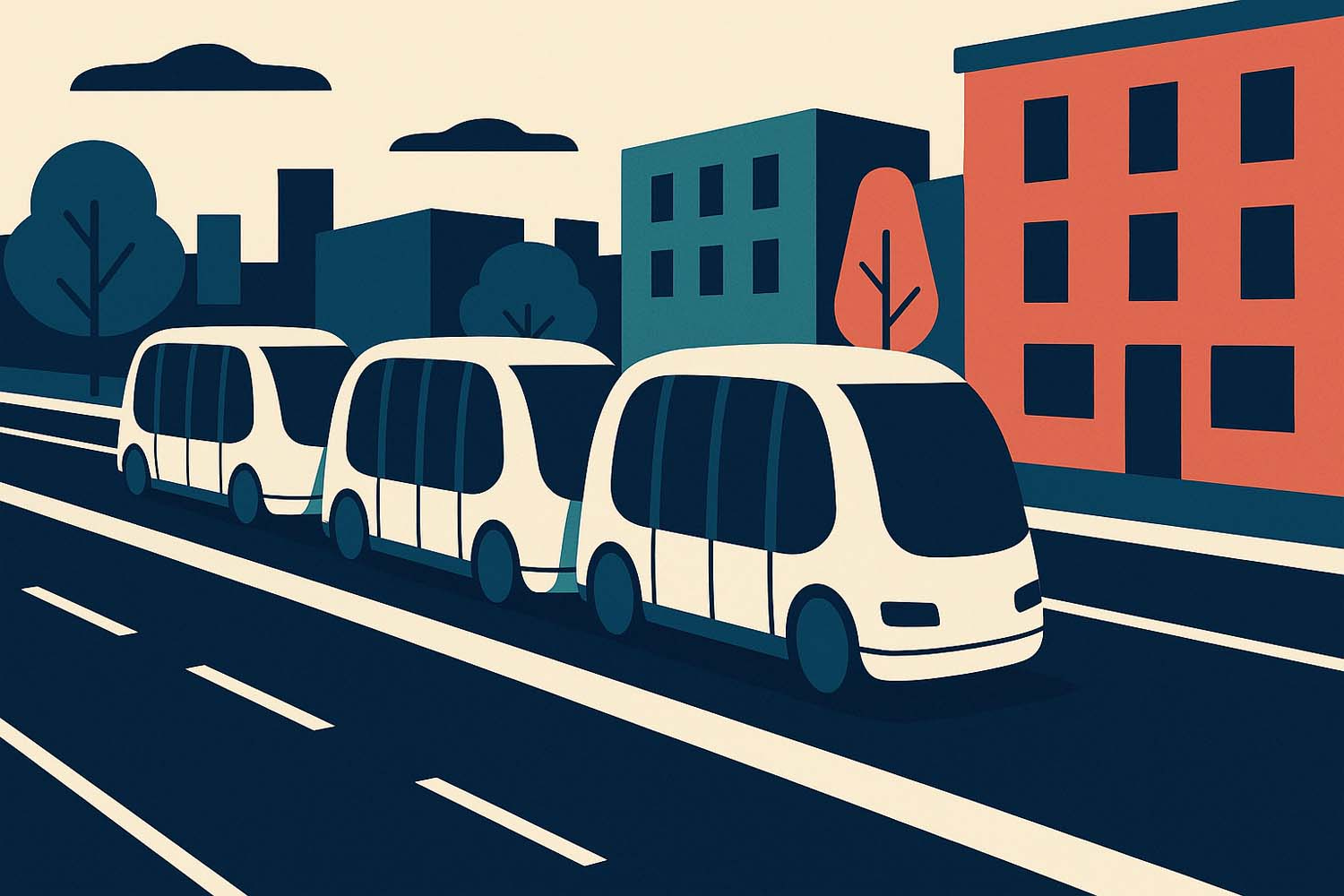
The original concept of PRT was for small pods like these to form the backbone of city networks. They could use narrow lanes similar to cycleways or run on light overhead structures that do not dominate the skyline; they could be assembled into trains. The developments in AI and GPS make this a practical reality.
A generation of users has grown up with Uber. Many have little desire to own cars. They expect mobility, not metal. They book a ride with a swipe, step in, step out and forget about it. The next generation of riders may never enter a driving school. They will step into a robotaxi without hesitation. This is a vast market for fleets, not for individual ownership. It calls for vehicles built for constant use, easy cleaning, simple maintenance and rapid passenger flow. It does not call for another compact saloon.
These threads point to the same conclusion. We have the technology. We have early working examples. We have a market that values service over ownership. What we do not have is a fresh approach from car makers. The industry seems locked into old shapes and old habits. Yet this moment may reward those who rethink the basics. A robotaxi is not a car without a driver. It is not an individual purchase; fleets and possibly area-wide procurement. It is a new category that needs its own form, its own standards and perhaps its own infrastructure.
The opportunity is large. So is the responsibility. The question for industry leaders and town planners is simple. Will the next breakthrough in urban transport come from those who cling to the past, or from those who are willing to imagine something different.
The time feels right to find out; more Zoox and less Tesla – and futuristic town planning.